
Dry Eye Treatment

Dry Eye can have a major impact on your quality of life. You may find your eyes get tired faster or you have difficulty reading. Not to mention the discomfort of a burning sensation or blurry vision. Let’s take a look at dry eye treatments – from simple self-care to innovative prescriptions and therapies – to help you see clearly and comfortably.
What is Dry Eye?
Understanding dry eye will help you determine the best treatment option. Dry eye occurs when a person doesn't have enough quality tears to lubricate and nourish the eye. Tears reduce eye infections, wash away foreign matter, and keep the eye’s surface smooth and clear. People with dry eyes either do not produce enough tears or their tears are of poor quality. It’s a common and often chronic problem, especially in older adults.
Preventive Self-Care
Before we delve into more serious dry eye treatment options, here are a few simple self-care options that can manage minor cases of dry eye.
Blink regularly when reading or staring at a computer screen for a long time.
Make sure there’s adequate humidity in the air at work and at home.
Wear sunglasses outside to reduce sun and wind exposure. Wrap-around glasses are best.
Take supplements with essential fatty acids, as these may decrease dry eye symptoms.
Drink 8 to 10 glasses of water each day to avoid dehydration.
Find out if any of your prescriptions have dry eye as a side effect, and if so, see if you can take an alternative.
Artificial Tears
For mild cases of dry eyes, the best option is over-the-counter eye drops. Here are a few tips for selecting the right one:
Low viscosity – These artificial tears are watery. They often provide quick relief with little or no blurring of your vision, but their effect can be brief, and sometimes you must use these drops frequently to get adequate relief.
High viscosity – These are more gel-like and provide longer-lasting lubrication. However, these drops can cause significant blurring of your vision for several minutes. For this reason, high-viscosity artificial tears are recommended at bedtime.
Prescription Dry Eye Treatments
There are several prescriptions that treat dry eye differently. Dr. Ball can advise the best option for your situation.
Contact Lenses – There are specialty contact lenses that deliver moisture to the surface of the eye. They’re called scleral lenses or bandage lenses.
Antibiotics– If your eyelids are inflamed, this can prevent oil glands from secreting oil into your tears. Your doctor may recommend antibiotics to reduce inflammation.
Tear-stimulating drugs – Available as pills, gel, or eye drops, cholinergic (pilocarpine, cevimeline), these help to increase tear production.

Dry Eye Procedures
Intense-Pulsed Therapy – This utilizes pulses of light to liquefy and release hardened oils that have clogged glands in the eyelids.
Punctal Plugs – Tear ducts can be plugged with tiny silicone plugs to reduce tear loss. By partially or completely closing your tear ducts, you can keep your tears from leaving your eye too quickly.
You don’t have to suffer from the symptoms of dry eye. Talk to Dr. Ball about dry eye treatment options designed to address the underlying cause of your condition today!
Advanced Dry Eye Treatment with IPL & Radiofrequency (RF)
Intense Pulsed Light (IPL) Therapy is an innovative, noninvasive treatment designed to address the underlying causes of chronic dry eye disease, particularly meibomian gland dysfunction (MGD). Using carefully controlled pulses of light applied to the skin around the eyes, IPL helps reduce inflammation, target abnormal blood vessels, and improve the function of the oil-producing glands along the eyelids. These glands play an essential role in maintaining a healthy tear film and preventing tears from evaporating too quickly. By addressing the source of inflammation rather than simply managing symptoms, IPL can help patients experience longer-lasting relief from dryness, burning, redness, irritation, and fluctuating vision.
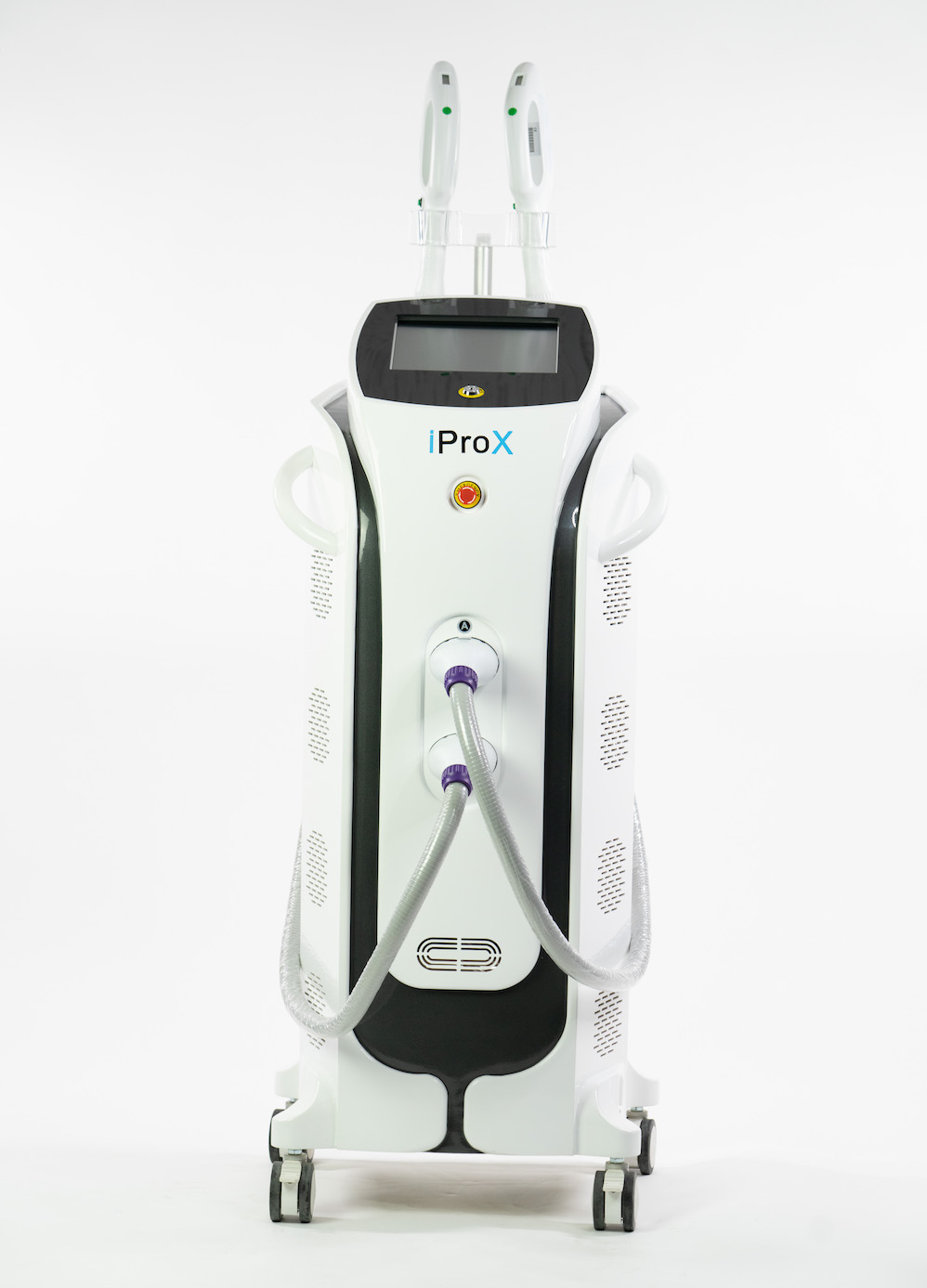
Combined IPL and Radiofrequency (RF) Therapy with the MD Elite iProXL takes dry eye treatment a step further by combining two complementary technologies. While IPL targets inflammation and abnormal blood vessels, RF delivers controlled, therapeutic heat to the tissues surrounding the eyelids, helping soften thickened oils within the meibomian glands and promote healthier oil flow. Together, these treatments address both inflammation and gland obstruction, two major contributors to evaporative dry eye disease. At Ridgeline EyeCare, we use the advanced MD Elite iProXL system to provide a comfortable, customized treatment experience designed to improve tear film stability, restore healthier gland function, and provide lasting symptom relief. Results vary, and a series of treatments may be recommended for optimal improvement.
Schedule Online
Quick Links
Helpful Articles

All Eye Care Services
Find personalized eye care excellence with our comprehensive services. From eye exams to advanced diagnostics, trust us for all your vision needs.

Keep In Touch
For non-urgent questions or to learn more about our services, contact us today!
© 2026 Ridgeline EyeCare. All rights Reserved - Accessibility Statement - Privacy Policy - Sitemap
Managed and Designed by 